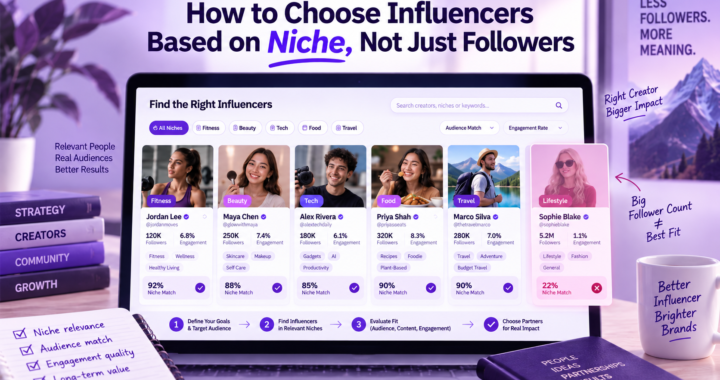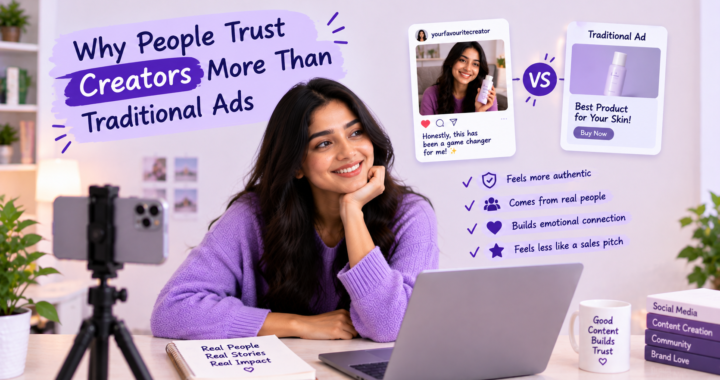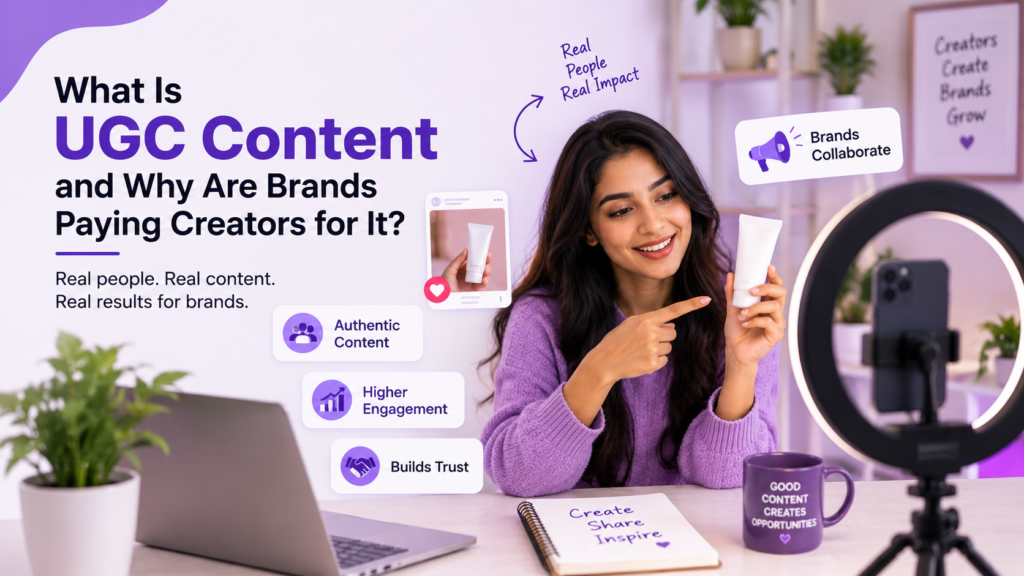
Brands today are not only looking for influencers with big followers. They are also looking for creators who can make real, relatable, and trustworthy content for their products.
This is where UGC content comes in.
UGC stands for User-Generated Content. In simple words, UGC content is content that looks like it has been created by a real user, customer, or creator instead of a professional brand advertisement.
It can be a product review, unboxing video, testimonial, tutorial, product demo, lifestyle video, or honest experience shared by a creator.
Earlier, brands mostly depended on professional photoshoots, polished ads, and studio videos. But today, people want content that feels real. They want to see how a product works in daily life, how it looks in real hands, and whether normal people actually like it.
That is why brands are paying UGC creators.
UGC content helps brands build trust, create better social media content, improve ad performance, and show products in a more natural way.
In this blog, we will explain what UGC content is, why brands pay creators for it, how it is different from influencer marketing, and how brands can use UGC for better marketing results.
What Is UGC Content?
UGC content means user-generated content.
It is content created by users, customers, or creators that shows a brand, product, or service in a natural and relatable way.
UGC content can include:
- Product reviews
- Unboxing videos
- Testimonials
- Before-after videos
- Product demos
- Tutorials
- Lifestyle videos
- Customer experience videos
- Social media posts
- Photos
- Reels
- YouTube Shorts
- TikTok-style videos
- Voiceover videos
- “Day in my life” product usage content
For example, if a creator records a video showing how they use a skincare product in their morning routine, that is UGC content.
If a customer shares a photo wearing a fashion brand’s outfit, that is also UGC content.
If a creator makes a short video explaining how an app helped them solve a problem, that is UGC content too.
The main idea is simple: UGC content should feel real, useful, and relatable.
Why Is UGC Content Important?
UGC content is important because people trust real experiences more than direct brand promotions.
When a brand says, “Our product is amazing,” people may see it as advertising.
But when a real person shows the product, explains the benefits, and shares their experience, the content feels more believable.
UGC helps brands because it:
- Builds trust
- Shows real product usage
- Creates social proof
- Makes content feel relatable
- Supports paid ads
- Improves product understanding
- Helps customers make decisions
- Gives brands more content at lower cost
Today, customers want proof before buying. UGC gives them that proof in a natural content format.
Why Are Brands Paying Creators for UGC Content?
Brands are paying creators for UGC content because good content can directly support marketing, advertising, and sales.
Here are the main reasons brands invest in UGC creators.
1. UGC Content Feels More Authentic
Modern customers are exposed to ads every day. Because of this, many people ignore content that looks too polished or too promotional.
UGC content feels different.
It looks like a real person is sharing a genuine experience. This makes the content more natural and trustworthy.
For example, a simple video of a creator using a product at home can sometimes feel more convincing than a high-budget advertisement.
Brands pay creators because they can create content that feels human, not corporate.
2. UGC Helps Build Trust
Trust is one of the biggest reasons people buy.
Before purchasing a product, customers often look for reviews, experiences, videos, and recommendations.
UGC content works like social proof.
It shows that real people are using the product. It helps potential customers feel more confident.
For example, if someone is planning to buy a fitness product, they may trust a creator’s honest review more than a brand’s own promotional claim.
This is why UGC can support trust-building for both new and established brands.
3. UGC Is Useful for Paid Ads
Many brands use UGC content in paid advertising.
UGC-style ads often feel less like ads and more like natural content. This can help brands capture attention faster on platforms like Instagram, Facebook, YouTube, and other video-first platforms.
UGC ads may include:
- Problem-solution videos
- Product demos
- Customer-style testimonials
- Founder-style explanations
- Before-after results
- Unboxing videos
- Honest reviews
- Short product tutorials
When people see content that looks relatable, they may watch it for longer and respond better.
That is why brands pay creators not only for posting, but also for creating content that the brand can use in ads.
4. UGC Gives Brands More Content
Creating content regularly is difficult for brands.
A business needs content for:
- YouTube Shorts
- Reels
- Product pages
- Website banners
- Landing pages
- Email marketing
- Paid ads
- WhatsApp campaigns
- Testimonials
Hiring a full production team for every content need can be expensive.
UGC creators help brands create multiple content pieces faster and often at a lower cost compared to large-scale professional shoots.
This is especially useful for small businesses, startups, D2C brands, apps, and e-commerce companies.
5. UGC Shows Real Product Usage
Professional brand content can look beautiful, but it may not always show how the product works in real life.
UGC content shows the product in daily situations.
For example:
- A skincare product used in a morning routine
- A food product used in a quick recipe
- A fitness product used during a workout
- A productivity app used during office work
- A fashion product styled in different outfits
- A baby care product used by a parent
- A home product used in a real house
This helps customers imagine how they can use the product in their own life.
6. UGC Supports Better Buying Decisions
Before buying, customers often ask questions like:
- Will this product work for me?
- How does it look in real life?
- Is it easy to use?
- What problem does it solve?
- Is it worth the money?
- Do people like me use it?
- Can I trust this brand?
UGC content helps answer these questions.
A good UGC video can explain the product, show its use case, and reduce customer doubts.
That is why brands use UGC content across the customer journey.
7. UGC Can Improve Brand Credibility
A brand looks more credible when people are talking about it.
If a business only posts its own promotional content, it may feel one-sided.
But when creators, customers, and users talk about the brand, it creates stronger credibility.
UGC makes the brand look more active, trusted, and used by real people.
This can be very useful for new brands that are still building market trust.
UGC Content vs Influencer Marketing: What Is the Difference?
Many people confuse UGC content with influencer marketing. They are connected, but they are not the same.
Influencer Marketing
In influencer marketing, a brand pays a creator to promote a product on the creator’s own social media profile.
The goal is to reach the creator’s audience.
For example, a creator posts a reel about your product on their Instagram page and their followers see it.
UGC Content
In UGC content, a brand pays a creator to create content for the brand. The creator may or may not post it on their own profile.
The goal is to get authentic content that the brand can use on its own channels, ads, website, or campaigns.
For example, a creator makes a product demo video, and the brand uses that video in Instagram ads or on its website.
Simple Difference
Influencer marketing focuses on the creator’s audience.
UGC content focuses on the creator’s content.
This is the biggest difference.
Types of UGC Content Brands Can Use
Brands can use different types of UGC depending on their goals.
1. Product Review Videos
A creator shares their experience after using the product.
Best for:
- Skincare
- Beauty
- Fitness
- Fashion
- Gadgets
- Apps
- Food products
2. Unboxing Videos
A creator opens the product packaging and shows what is inside.
Best for:
- D2C products
- E-commerce brands
- Gift products
- Beauty and lifestyle brands
- Gadgets
3. Product Demo Videos
A creator shows how the product works.
Best for:
- Apps
- SaaS tools
- Gadgets
- Home products
- Fitness products
- Kitchen products
4. Testimonial Videos
A creator shares why they like the product or how it helped them.
Best for:
- Service brands
- Online courses
- Apps
- Health and wellness products
- SaaS companies
- D2C brands
5. Before-After Content
A creator shows a visible change or comparison.
Best for:
- Skincare
- Fitness
- Haircare
- Home cleaning products
- Editing apps
- Design tools
6. Problem-Solution Videos
The creator starts with a common problem and then introduces the product as a solution.
Best for:
- SaaS tools
- Apps
- Productivity tools
- Beauty products
- Health products
- Educational products
7. Lifestyle Integration Videos
The creator naturally includes the product in their daily routine.
Best for:
- Fashion
- Beauty
- Food
- Fitness
- Travel
- Lifestyle brands
- Wellness products
8. Voiceover UGC Videos
The creator records product visuals and adds a voiceover explaining the product.
Best for:
- Ads
- Product demos
- Tutorials
- Explainer content
- App walkthroughs
Where Can Brands Use UGC Content?
UGC content can be used in many marketing channels.
Brands can use UGC for:
- Instagram Reels
- Facebook posts
- YouTube Shorts
- Paid ads
- Website landing pages
- Product pages
- Email campaigns
- WhatsApp marketing
- Testimonials
- App store creatives
- Social proof sections
- Retargeting ads
- Brand awareness campaigns
For example, a D2C brand can use a UGC review video as a paid ad. A SaaS brand can use a UGC-style testimonial on a landing page. A fashion brand can repost UGC photos on Instagram.
UGC content becomes more valuable when the brand has clear usage rights from the creator.
What Makes Good UGC Content?
Not every user-generated video is good UGC.
Good UGC should be:
- Clear
- Natural
- Relatable
- Honest
- Easy to understand
- Product-focused
- Audience-friendly
- Problem-solving
- Visually clean
- Suitable for the platform
- Aligned with the brand message
A good UGC video does not need to look like a big-budget advertisement. But it should clearly communicate the product value.
The best UGC content usually feels like a real recommendation, not a forced promotion.
Why UGC Creators Do Not Always Need a Big Following
One interesting thing about UGC creators is that they do not always need a large follower base.
Unlike influencers, UGC creators are paid mainly for content creation, not audience reach.
A UGC creator may have only a small social media following, but if they can create high-quality, relatable videos, brands may still pay them.
This is because the brand can use that content on its own social media, ads, website, or product pages.
For UGC, content quality matters more than follower count.
This makes UGC a great opportunity for creators who are good at making content but do not yet have a huge audience.
How Brands Should Work With UGC Creators
Brands should follow a clear process when working with UGC creators.
1. Define the Content Goal
Before hiring a UGC creator, decide what the content should achieve.
Is it for ads?
Is it for organic social media?
Is it for a product page?
Is it for a landing page?
Is it for testimonials?
The content goal will decide the style, script, format, and message.
2. Share a Clear Brief
A UGC brief should include:
- Brand introduction
- Product details
- Target audience
- Key message
- Content format
- Video duration
- Do’s and don’ts
- Reference examples
- Usage rights
- Deadline
- Payment terms
A clear brief helps creators make better content.
3. Allow Natural Expression
UGC should not feel overly scripted.
Brands can share key points, but creators should be allowed to speak naturally.
The content should feel like a real person explaining or using the product.
4. Discuss Usage Rights
This is very important.
Before using creator content in ads, websites, or marketing campaigns, brands should clearly discuss content usage rights.
Mention:
- Where the content will be used
- How long it can be used
- Whether paid ads are included
- Whether editing is allowed
- Whether the creator’s face/name can be used
- Whether there is an additional fee for ad usage
Clear usage rights avoid confusion later.
5. Test Multiple Content Styles
Brands should test different UGC formats.
For example:
- One product demo
- One review video
- One problem-solution video
- One unboxing
- One testimonial
Testing helps brands understand what type of content works best.
UGC Content for Small Businesses
UGC content is especially useful for small businesses.
Small brands may not have big production budgets, large teams, or professional studios. UGC creators can help them create affordable and relatable content.
Small businesses can use UGC to:
- Build trust
- Show real product usage
- Create social proof
- Improve paid ads
- Make social media more active
- Explain products better
- Increase website conversions
- Save content production cost
For example, a small skincare brand can work with 5 UGC creators to create product review videos. These videos can be used on Instagram, product pages, and paid ads.
This gives the brand more content without needing a large shoot.
UGC Content for D2C Brands
D2C brands can benefit a lot from UGC content because customers often want proof before buying online.
UGC can help D2C brands show:
- Real product usage
- Customer experience
- Product benefits
- Before-after results
- Packaging quality
- Size and texture
- Honest review
- How the product fits into daily life
For D2C brands, UGC can improve trust and help reduce hesitation before purchase.
UGC Content for SaaS and Apps
UGC is not only for physical products.
SaaS companies, mobile apps, online platforms, and digital tools can also use UGC.
For example, a creator can make:
- App walkthrough video
- Tool review
- Problem-solution video
- Screen recording tutorial
- Testimonial video
- Use-case explanation
- Before-after productivity video
This helps users understand how the product works in a practical way.
For SaaS and apps, UGC content can simplify complex features and make the product easier to understand.
How Much Should Brands Pay for UGC Content?
UGC creator pricing can depend on many factors, such as:
- Content format
- Video length
- Number of videos
- Creator experience
- Editing quality
- Script requirement
- Usage rights
- Paid ad usage
- Revisions
- Timeline
- Product complexity
A simple short video may cost less, while a fully edited ad-ready video with paid usage rights may cost more.
Brands should not only look for the cheapest creator. They should look for creators who understand the product, audience, and content goal.
Good UGC can be reused multiple times, so it can create value beyond one post.
Common Mistakes Brands Make With UGC Content
1. Treating UGC Like a Traditional Ad
UGC should feel natural. If it becomes too polished or scripted, it may lose authenticity.
2. Not Giving a Clear Brief
Creators need direction. Without a brief, the content may not match the brand’s needs.
3. Ignoring Usage Rights
Brands should never assume they can use creator content everywhere. Usage rights must be discussed clearly.
4. Choosing Creators Only by Followers
For UGC, content quality matters more than follower count.
5. Not Testing Different Angles
One video style may not work for every audience. Brands should test multiple hooks, messages, and formats.
6. Over-Editing the Creator’s Voice
Too many brand edits can make UGC look fake. Let creators speak naturally.
7. Not Tracking Performance
If UGC is used in ads or landing pages, brands should track performance and learn which content works best.
UGC Content Checklist for Brands
Before hiring a UGC creator, check:
- Does the creator’s content style match your brand?
- Can they explain the product clearly?
- Do they look natural on camera?
- Is their video quality good enough?
- Can they follow a brief?
- Do they understand your target audience?
- Are usage rights clear?
- Are pricing and deliverables clear?
- Is the timeline realistic?
- Can the content be reused for your marketing goals?
This checklist can help brands select better UGC creators.
How Influnets Can Help Brands Find UGC Creators
Finding good UGC creators manually can take time.
Brands need to search creators, review their content quality, discuss pricing, explain briefs, confirm usage rights, and manage communication.
Influnets helps brands discover and connect with relevant creators for campaigns.
For brands looking for UGC content, Influnets can make creator discovery more organized by helping them find creators based on category, content style, and collaboration needs.
Whether a brand wants product reviews, unboxing videos, testimonials, product demos, or social media content, working with the right creators can make UGC more effective.
For brands, UGC is not just content.
It is social proof, trust, and marketing material that can support the full customer journey.
Conclusion
UGC content is one of the most useful content formats for modern brands.
It helps businesses show products in a real, natural, and relatable way. It builds trust, supports paid ads, improves social media content, and helps customers make better buying decisions.
Brands are paying creators for UGC because they need authentic content that feels human, not overly promotional.
The biggest difference between UGC and influencer marketing is simple:
Influencer marketing focuses on the creator’s audience.
UGC content focuses on the creator’s content.
For brands, both can be valuable.
If you want reach, work with influencers.
If you want authentic content, work with UGC creators.
If you want both, combine influencer marketing and UGC content in your campaign strategy.
In 2026 and beyond, brands that use real, relatable, and creator-led content will have a stronger chance of building trust with customers.
And that is exactly why UGC content is becoming so important.
FAQs
What is UGC content?
UGC content means user-generated content. It is content created by users, customers, or creators that shows a brand, product, or service in a natural and relatable way.
Why are brands paying creators for UGC content?
Brands pay creators for UGC content because it feels authentic, builds trust, supports ads, improves social media content, shows real product usage, and helps customers make better buying decisions.
Is UGC content the same as influencer marketing?
No. Influencer marketing focuses on reaching the creator’s audience. UGC content focuses on creating content that the brand can use on its own channels, ads, website, or marketing campaigns.
Do UGC creators need followers?
No, UGC creators do not always need a large following. Brands mainly pay UGC creators for content quality, not audience reach.
What are examples of UGC content?
Examples of UGC content include product reviews, unboxing videos, testimonials, tutorials, product demos, before-after videos, lifestyle videos, and customer experience videos.
How can brands use UGC content?
Brands can use UGC content on social media, paid ads, product pages, landing pages, websites, email campaigns, WhatsApp marketing, and testimonials.
What makes good UGC content?
Good UGC content is natural, clear, relatable, honest, product-focused, easy to understand, and aligned with the brand’s message.
How can Influnets help brands find UGC creators?
Influnets helps brands discover and connect with relevant creators for campaigns, making it easier to find creators for UGC content, influencer collaborations, and brand promotions.