Startups face one big challenge in the beginning: trust.
A new brand may have a good product, strong idea, useful service, or smart app. But customers may still ask:
Who is this brand?
Can I trust them?
Is the product genuine?
Will it solve my problem?
Has anyone used it before?
Is it worth my money?
This is where influencer marketing can help startups.
Influencer marketing helps startups build trust faster by using the credibility of creators who already have an audience. When a trusted creator talks about a startup, explains the product, shares a review, or shows real usage, people may feel more confident about trying the brand.
For startups, influencer marketing is not only about promotion. It is about credibility, product education, social proof, awareness, and customer confidence.
In this blog, we will explain how influencer marketing helps startups build trust faster and how new brands can use creator collaborations smartly.
Why Trust Is Important for Startups
Trust is important for every business, but it is even more important for startups.
Big brands already have market recognition. People may already know their name, products, reviews, and reputation. But startups are still building their identity.
A startup may struggle because:
- Customers do not know the brand yet.
- There may be limited reviews.
- The product may be new.
- The category may need explanation.
- The brand may not have strong social proof.
- Customers may hesitate before paying.
- The startup may have a small online presence.
Even if the product is good, lack of trust can slow down growth.
People usually feel safer buying from brands they have seen before, heard about, or received recommendations for.
Influencer marketing helps startups reduce this trust gap.
What Is Influencer Marketing for Startups?
Influencer marketing for startups means collaborating with creators to promote, explain, review, or introduce a startup’s product or service to a relevant audience.
These creators may be:
- Nano influencers
- Micro influencers
- Niche creators
- UGC creators
- YouTubers
- LinkedIn creators
- Instagram creators
- Product reviewers
- Industry experts
- Local creators
- Community creators
For example:
A fintech startup can work with finance creators.
A skincare startup can work with beauty creators.
A SaaS startup can collaborate with LinkedIn creators.
A fitness app can work with fitness influencers.
A food startup can work with food bloggers.
An education startup can work with student creators.
A productivity app can work with business or productivity creators.
The key is to choose creators whose audience matches the startup’s target customers.
How Influencer Marketing Helps Startups Build Trust Faster
1. Creators Already Have Audience Trust
The biggest advantage of influencer marketing is that creators already have trust with their audience.
Their followers watch their content, listen to their opinions, and often value their recommendations.
When a creator introduces a startup, the audience may take the brand more seriously because the recommendation is coming from someone they already follow.
For example, if a fitness creator talks about a new fitness app, their audience may be more open to trying it compared to seeing a random ad.
This borrowed trust can help startups get attention faster.
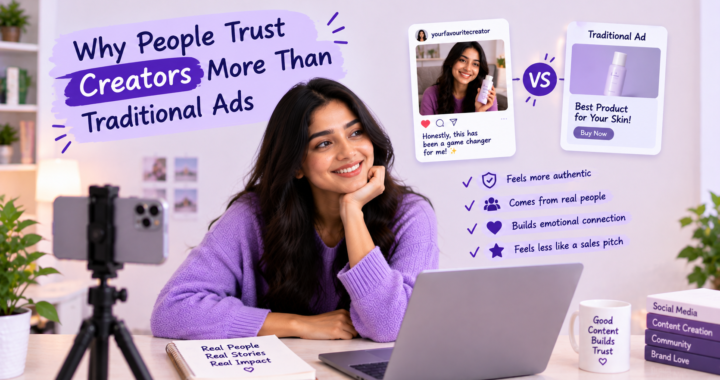
2. Influencer Content Feels More Human Than Ads
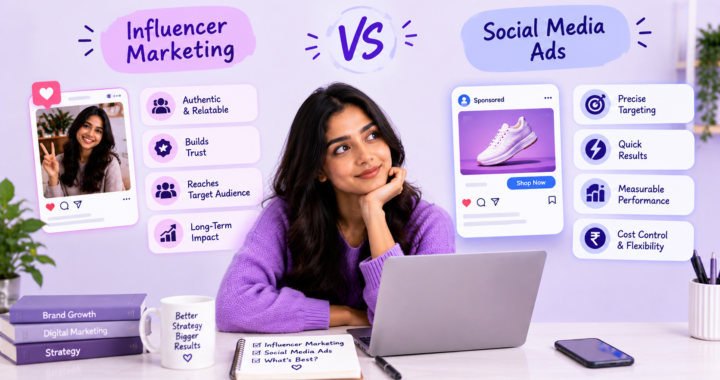
Startups often run ads to reach customers. Ads can be useful, but they may feel promotional.
Influencer content feels more human because it is shared through a creator’s voice, experience, and storytelling style.
A creator can explain:
- Why the product is useful
- How they used it
- What problem it solves
- Who should try it
- What makes it different
- How it fits into daily life
This makes the startup’s message easier to understand and more relatable.
People do not always trust direct brand claims. But they may trust a creator showing the product in a real context.
3. It Creates Social Proof
Social proof means people feel more confident when they see others using or recommending something.
Startups need social proof because they are still building credibility.
Influencer marketing can create social proof through:
- Product reviews
- Unboxing videos
- Testimonials
- Creator recommendations
- User-generated content
- Comments and audience discussions
- Brand mentions
- Case-study style videos
- Before-after content
For example, if several creators talk about a startup’s product, new customers may feel the brand is more active, real, and trusted.
Social proof helps reduce customer hesitation.
4. It Helps Explain New Products Better
Many startups launch products that need explanation.
The product may be new, technical, digital, subscription-based, or different from what customers are used to.
In such cases, customers need education before they can trust the brand.
Influencers can help explain products through:
- Tutorials
- Product demos
- App walkthroughs
- Explainer videos
- Use-case content
- Comparison videos
- Problem-solution reels
- How-to content
- Honest reviews
For example, a SaaS startup may struggle to explain its features through a simple ad. But a business creator can show how the tool works in a real workflow.
When people understand the product better, they are more likely to trust it.
5. It Makes the Startup Look More Visible
Visibility builds familiarity.
When people see a startup mentioned by different creators, they start recognizing the brand.
This repeated visibility can help create brand recall.
For example, if a skincare startup appears in content by multiple beauty creators, customers may start feeling that the brand is worth checking out.
A startup that looks active in creator conversations can appear more credible than a brand that no one is talking about.
Influencer marketing helps startups move from unknown to familiar.
6. It Helps Reach Niche Audiences
Startups usually cannot afford to market to everyone.
They need to reach the right audience.
Influencers help startups reach niche communities.
For example:
- Finance creators can help fintech startups.
- Beauty creators can help skincare startups.
- Fitness creators can help health apps.
- Parenting creators can help baby care startups.
- Food creators can help food startups.
- Business creators can help SaaS startups.
- Student creators can help edtech startups.
This niche reach is useful because the audience already cares about that topic.
Instead of spending money on broad awareness, startups can focus on people who are more likely to understand and trust the product.
7. It Gives Startups Authentic Content
Startups often need a lot of content, but they may not have a big creative team.
Influencer marketing can help startups generate authentic creator content.
This content can include:
- Reels
- Shorts
- Product reviews
- Testimonials
- UGC videos
- App demos
- Tutorials
- Social media posts
- Product photos
- Customer-style videos
With proper usage rights, startups can use this content on:
- Social media
- Paid ads
- Website
- Landing pages
- Product pages
- Email campaigns
- Investor decks
- Testimonials section
This content helps the startup look more credible and active.
8. It Reduces the Risk Feeling for Customers
Customers feel risk when trying a new brand.
They may think:
What if the product does not work?
What if the service is poor?
What if the app is not useful?
What if the product quality is bad?
What if this brand is not genuine?
Influencer content can reduce this risk feeling.
When a creator shows the product, explains the experience, and shares honest feedback, customers get more confidence.
This is especially useful for categories like:
- Skincare
- Health and wellness
- Finance
- Education
- SaaS
- Apps
- Parenting
- Food
- Fitness
- Personal care
The more trust-sensitive the category, the more important creator-led proof becomes.
9. It Helps Startups Get Early Feedback
Influencer campaigns can also help startups learn from the market.
Creators and their audiences can provide feedback through comments, questions, story replies, DMs, and reviews.
Startups can learn:
- What people like about the product
- What doubts customers have
- Which features need better explanation
- Which benefits attract attention
- Which audience segment responds best
- What objections need to be solved
- Which content angle works better
This feedback is useful for improving marketing, product messaging, landing pages, and future campaigns.
10. It Helps Build Founder and Brand Credibility
For early-stage startups, founder visibility can also build trust.
Creators can help by:
- Interviewing founders
- Sharing founder stories
- Creating behind-the-scenes content
- Explaining the startup journey
- Showing the problem the startup is solving
- Creating brand story content
People often trust brands more when they understand the people behind them.
A founder-led story shared through creators can make the startup feel more personal and credible.
Types of Influencers Startups Should Work With
Startups do not always need big influencers.
In many cases, nano and micro influencers can be more useful because they are affordable, niche-focused, and trusted by their audience.
1. Nano Influencers
Nano influencers usually have smaller audiences but stronger personal connection.
Best for:
- Early testing
- Local campaigns
- Product trials
- Authentic reviews
- Community building
2. Micro Influencers
Micro influencers have a larger audience than nano creators and often strong niche relevance.
Best for:
- Product launches
- App promotions
- D2C campaigns
- SaaS awareness
- Lead generation
- Trust-building campaigns
3. UGC Creators
UGC creators are useful when startups need authentic content more than audience reach.
Best for:
- Ads
- Landing pages
- Website videos
- App demos
- Testimonials
- Product education
4. Industry Experts
Industry creators or experts can build strong credibility.
Best for:
- SaaS startups
- Finance startups
- Health startups
- Education startups
- B2B brands
5. Local Creators
Local creators are useful for startups targeting specific cities or regions.
Best for:
- Cafés
- Events
- Local services
- Clinics
- Gyms
- Retail brands
- Regional launches
Best Influencer Marketing Campaign Ideas for Startups
1. Product Review Campaign
Creators try the product and share honest reviews.
Best for:
- D2C products
- Apps
- Beauty brands
- Fitness products
- Food products
2. Problem-Solution Campaign
The creator starts with a common problem and introduces the startup as a solution.
Best for:
- SaaS
- Apps
- Productivity tools
- Edtech
- Fintech
- Healthtech
3. Founder Story Campaign
Creators share the founder journey and why the startup was created.
Best for:
- Early-stage startups
- Purpose-driven brands
- Community-led startups
4. UGC Testimonial Campaign
UGC creators create customer-style testimonial videos.
Best for:
- Landing pages
- Ads
- Social proof
- Product pages
5. App Demo Campaign
Creators show how to use the app step by step.
Best for:
- Mobile apps
- SaaS tools
- Fintech apps
- Edtech platforms
6. Local Launch Campaign
Local creators introduce the startup to city-level audiences.
Best for:
- Local businesses
- Events
- Food brands
- Retail launches
- Service startups
7. Affiliate Campaign
Creators earn commission for every sale, lead, or signup.
Best for:
- E-commerce
- Courses
- Apps
- Digital products
- Subscription brands
How Startups Can Choose the Right Influencer
Before working with an influencer, startups should check:
- Does the creator’s audience match our target customers?
- Is the engagement genuine?
- Are comments meaningful?
- Does the creator’s content style match our brand?
- Can they explain our product clearly?
- Is their audience location relevant?
- Have they worked with similar brands?
- Are their followers real?
- Are pricing and deliverables clear?
- Can we track campaign results?
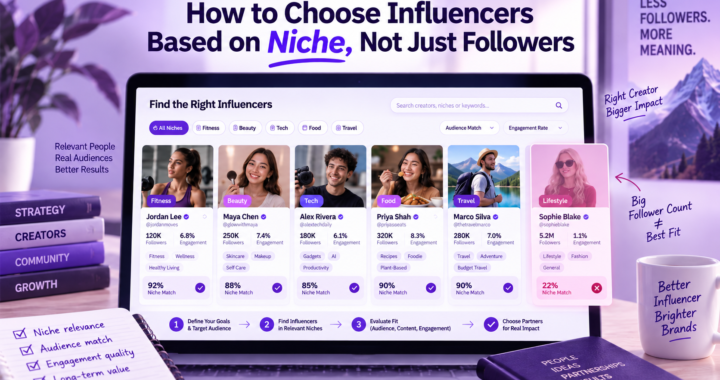
The right creator is not always the biggest creator.
The right creator is the one whose audience trusts them and matches your product.
How Startups Can Measure Trust-Building From Influencer Campaigns
Trust is not always measured only by sales.
Startups can track trust-building through different signals.
Awareness Metrics
- Reach
- Impressions
- Video views
- Profile visits
- Brand mentions
Engagement Metrics
- Comments
- Saves
- Shares
- Story replies
- Poll responses
- Questions from audience
Trust Signals
- Product-related questions
- Positive comments
- DMs or inquiries
- Reviews
- Testimonials
- Repeat creator mentions
- Audience sentiment
Business Metrics
- Website visits
- Signups
- Leads
- Sales
- App downloads
- Coupon code usage
- Demo bookings
A trust-building campaign may not always create instant sales, but it can improve brand recall, confidence, and future conversions.
Common Mistakes Startups Should Avoid
1. Choosing Influencers Only by Followers
A large audience does not always mean better trust. Relevance matters more.
2. Not Checking Fake Followers
Fake followers can waste budget and damage campaign quality.
3. Giving an Unclear Brief
Creators need clear direction to explain your product properly.
4. Expecting Immediate Sales From Every Campaign
Influencer marketing can build awareness, trust, and consideration before sales happen.
5. Not Tracking Results
Use UTM links, coupon codes, landing pages, and creator reports to track performance.
6. Over-Controlling the Creator
If the content sounds too scripted, the audience may not trust it.
7. Not Discussing Usage Rights
If you want to reuse creator content in ads or on your website, confirm usage rights before the campaign.
8. Working With Irrelevant Creators
A creator should match your niche, audience, brand values, and campaign goal.
Influencer Marketing Trust Checklist for Startups
Before running a campaign, use this checklist:
- Define your campaign goal.
- Identify your target audience.
- Choose niche-relevant creators.
- Check engagement quality.
- Review comment quality.
- Ask for audience insights.
- Create a clear campaign brief.
- Use tracking links or coupon codes.
- Discuss usage rights.
- Start with a small test campaign.
- Measure audience response.
- Build long-term relationships with good creators.
This checklist can help startups run safer and more effective influencer campaigns.
How Influnets Can Help Startups Build Trust With Creators
Finding the right creator manually can take time, especially for startups with small teams.
Startups need to search creators, check profiles, compare engagement, discuss pricing, explain the product, manage briefs, and track campaign performance.
Influnets helps brands discover and connect with relevant creators for influencer campaigns.
For startups, Influnets can make creator discovery more organized by helping them find creators based on category, campaign needs, collaboration type, and audience fit.
When startups work with the right creators, they can build trust faster, explain their product better, and reach customers more naturally.
Conclusion
Trust is one of the biggest growth challenges for startups.
Customers may not know your brand yet, and they may hesitate before trying a new product or service.
Influencer marketing helps startups build trust faster by using creator credibility, social proof, product education, authentic content, niche communities, and real audience conversations.
Startups do not need to work only with big influencers. Nano influencers, micro influencers, UGC creators, local creators, and niche experts can also help create strong trust when chosen correctly.
The goal is not to look famous.
The goal is to look credible, useful, and relevant to the right audience.
When startups work with the right creators and track results properly, influencer marketing can become a powerful way to build awareness, trust, and early customer confidence.
FAQs
How does influencer marketing help startups build trust?
Influencer marketing helps startups build trust by allowing creators to explain, review, and recommend the product to an audience that already trusts them. This creates social proof and makes the startup feel more credible.
Should startups use influencer marketing?
Yes, startups can use influencer marketing to build awareness, trust, product education, social proof, website traffic, leads, app downloads, and early customer interest.
Which influencers are best for startups?
Nano influencers, micro influencers, UGC creators, niche creators, industry experts, and local creators can be good for startups depending on the campaign goal and target audience.
Can influencer marketing work for early-stage startups?
Yes, early-stage startups can use influencer marketing through small test campaigns, product reviews, UGC content, founder story campaigns, and niche creator collaborations.
Is influencer marketing expensive for startups?
Influencer marketing does not always have to be expensive. Startups can begin with nano influencers, micro influencers, product gifting, affiliate collaborations, and UGC creators.
How can startups measure influencer marketing trust?
Startups can measure trust through comments, saves, shares, story replies, product-related questions, website visits, signups, leads, app downloads, testimonials, and audience sentiment.
Why is social proof important for startups?
Social proof is important because customers feel more confident when they see real people using, reviewing, or recommending a new brand.
How can Influnets help startups with influencer marketing?
Influnets helps startups discover and connect with relevant creators, making influencer discovery and campaign planning more organized and easier.